This term, for my Strategic Public Relations Communications course, I was tasked with creating an infographic that relates to a topic I am interested in. As this is a music-focused blog, I’m sure you can see where this is going. I took the assignment as an opportunity to research the differences in revenue between music streaming services and physical album sales. There is a lot of data on that topic easily available online. On the one hand, that made finding the information easy. On the other hand, I became overwhelmed by the amount of data and statistics I was presented with.
Streaming versus sales fascinates me because it is a topic at the intersection of a number of my interests, including music, technology, and business. Furthermore, I would argue that the internet has had a bigger economic impact on music than in most other industries. Because of this, I felt like its a topic worth diving deep into. Some may disagree, however. The war is already over, streaming won a long time ago. Physical album sales still linger though and it is interesting to examine the rate at which they decline in comparison to the rise of streaming.
One challenge of compiling this kind of data into infographic form was how financial it all was. Everything had to do with royalties, percents, and revenues. A lot of the statistics I found overlapped with each other and did not seem like they would be interesting to most people. I found it all fascinating. Additionally, I have a background in Adobe Illustrator so it was fun to get a chance to use that for a PR assignment for once! Have you ever made an infographic? Comment and tell me how it went!
PR and Natural Disasters
In recent weeks, Southern California has suffered from a series of devastating fires. The dry, windy climate is contributing to the spread of wildfires throughout the area. According to the U.S. Drought Monitor, most of California is still in a drought or is too dry. This further contributes to So-Cal being so at risk right now for fires.
With any natural disaster, the correct information must be disseminated properly. In these situations, communication becomes a matter of life and death. If the wrong information is given from one party to another, or even if the correct information is given un-clearly, it can make things much much worse very quickly.
Many people mistakenly believe that public relations only relates to celebrities or politicians. In reality, PR plays a role in virtually every sector and industry. The focus on my blog is more of the entertainment side of PR. So it is fascinating for me to examine PR in emergencies.
Throughout high school, I was a volunteer member of my county’s local search and rescue team. This was my first exposure to communication in emergencies. I frequently took the comms. role on searches, meaning I was tasked with managing the radio our team had. Consequently, it was up to me share information between our team and headquarters. At the time, I did not think of this role as having anything to do with public relations. I did not even understand how the skills I was developing at the time would benefit me later in life.
Looking back, however, I got a fascinating window into the world of emergency communications. From the little background I have in that field I can say I think California has handled the fires as well as possible, from a communications standpoint. The article I read went into great length describing all the things the California government did to alert residents of the situation and how to evacuate necessary areas safely and when. All of these details are so crucial in emergencies. And when tensions are high, they are the kind of details that are very easy to confuse or forget.
It would be very interesting to hold a focus group with So-Cal residents from affected areas and hear how good of a job they feel the government did in alerting them of how to say safe.
Have you ever found yourself in a natural disaster? Did you know it was going to happen in advance? What information did you get before, during, and after? Let me know in the comments!
How to Set Yourself Apart as an Artist
Music streaming, social media, and the internet at large have made it easier today than ever for someone to go from obscurity to superstardom in less than a year. In recent memory, Lil Nas X, Tekashi 6ix9ine, and Megan Thee Stallion and many other rappers have done just that. In the early days of recorded music, having a record deal was a necessity to make any living off of music. The entire music creation process was very expensive and required big studios and lots of people. Today, all it takes to make the number one song in the country (as proven by songs like Lil Nas X’s Old Town Road) is a laptop.
In one sense it is easier than ever to become a famous singer or rapper. On the other hand, now more people than ever are trying to do just that. There is so much competition out there polluting the world with their half-assed music. Then there are all the other people out there actually making good music. The bottom line is that it is not enough anymore to simply make good music. Fans want to connect with artists past their music. Social media gives us a window into the personal lives of our favorite celebrities. Fans love this and want to feel like their favorite musical act is their best friend.
Consequently, to stand out amongst the competition and become a famous rapper on social media, you have to be unique. A few years ago, all that meant was looking crazy in someway. In the early days of hip-hop that meant having the biggest, flashiest gold chain and making bold fashion statements. Tekashi 6ix9ine jumped the shark on this one in 2017 when he debuted himself to the world with rainbow hair, the number 69 tattooed everywhere on his body, and some equally tasteless face-tats. Post-Tekashi, artists now need to look past their visual appearance to find ways to stand out amongst the crowd.
Oliver Tree is an artist who has found his lane and identity on social media. Upon Googling the mysterious Tree, you’ll notice that he too looks pretty crazy. He sports a bowl cut, tiny red sunglasses, and jackets exclusively from 1980s ski shops. However, dive deeper and you will quickly realize his outfits are only one small part of an entire world he has created. Everything from his music videos, tour stage-designs, instagram feed, and album art all feel cohesive and almost otherworldly. They are distinctly Oliver Tree. Why Tree is such a great PR case study is because he has taken the idea of being a living meme to the extreme. He has created an entire meme world that he is the star of. And the best part is, his music is really good. Usually the artists who can successfully brand themselves as super unique don’t have the best music. It is rare for artists to be able to pull of both. That is why I respect Oliver Tree so much and think that any aspiring musical artist should too.
Are you a rapper, singer, or musician? How do you brand and market yourself? Let me know in the comment section below!
How to Make the Perfect Playlist
In this day and age, the majority of humans walking around on planet earth have access to a library of millions of songs that fits in their pockets. Smartphones have radically changed the way we listen to music. Now, we can have a personal soundtrack with us everywhere we go. This has led to the advent of playlists. In recent years, the act of curating playlists for yourself or to share with friends has drastically risen in popularity. Furthermore, playlists curated by streaming services play a huge role in determining which songs break into the mainstream today.
You may think that making a playlist is as simple as clicking on a bunch of different songs you like. Wrong. Making playlists is an art form. I am a believer that all playlists should be thematic, thought out, and considered. How does one achieve a perfect playlist? Allow me to tell you. First, you must pick your goal. How do you want your listeners to feel? Are you focusing on one genre? Or one mood? All of these factors are important considerations. Only after you have answered these questions should you begin combing through your library of music.
Secondly, when you are first picking through your songs, there are no wrong answers. Add songs even if you think they might not fit. They may be perfect and if not, you can always remove them later. Third, remove half of the songs you just added. The chances are you added way too many songs. That’s ok, but now is the time to go back through and trim the fat. Even if you are trying to make a long playlist, you probably strayed pretty far from your theme. So go back and cut out any songs that do not fit sonically.
Next, decide how you are going to order your songs. Do not make the cardinal sin of leaving your songs in the order you added them in. Chances are that order is alphabetical, which has nothing to do with how the music sounds. Each song should lead nicely into the next one. If you have a rudimentary understanding of music theory, you can organize the songs by their key or tempo. Most of the time just trusting your ear will do the trick! Finally, send it to all your friends to listen to. Be sure to leave a link to yours in the comments!
Potential Streaming Plateau
Only a few years ago, the music industry as a whole was fearing for its existence. The internet had caused physical music sales to decline drastically. By the early 2010s, sales figures had already plummeted. Many experts speculated that to be the end of the music industry as we know it. And in a way it was. Unexpectedly, however, it is now on a strong comeback. The rise of Spotify and digital music streaming pivoted the industry and gave it a second life. For the past few years now, overall revenues for the industry have been on a steady increase, despite physical sales still declining. However, streaming is still in its early years. It is hard to say what the future of the platform looks like. Companies like Spotify and Apple are banking on continuous growth. Many others, however, believe a plateau in revenues is inevitable.
I fall into the latter of the two camps. I don’t know how much longer the music industry can continue operating in this way. Streaming revenues for artists are already razor-thin. Streaming services take home over half of the revenue they collect before any of it goes to record labels or musicians. After that, the royalties get split between the record label, publisher, distributor, everyone who helped make the song, and then finally the artist. Last year Spotify had to ink a deal with the major record labels to pay them even less in revenue so that they could stay profitable. I fear that revenues for artists will only continue to go down.
Some artists may not even care about that. Musicians have never had the bulk of their money from music sales. Touring has always been the biggest moneymaker for musicians. Many artists don’t even care about the royalties from their streams and are just happy that people are listening to their music at all. I feel it is a very dangerous path to go down. Eventually, musicians may not even own the rights to their music at all. I think this would be detrimental to the art form. Large companies like Spotify should be doing everything in their power to ensure that their platform is sustainable for artists.
Spotify itself is very interesting from a PR perspective. Because of these royalty nightmares, they do not have the best image among people in the music industry, or those who know (and care) how royalties work. On the other hand, however, they have some of the most loyal listeners in the industry. If revenues for streaming services and artists do not improve, I think the public perception of Spotify and its competitors is bound to change eventually.
Spotify’s Effect on Streaming
The advent of digital music sales initially seemed like it would be the death of the music industry when it rose to popularity in the 2000s. Unexpectedly to many, however, music streaming has emerged as the industry’s savior. Spotify has remained at the forefront of streaming since being founded in 2008 by Swedish entrepreneur Daniel Ek, despite intense competition from the likes of Apple and Amazon. However, can Spotify, and streaming in general, prove itself to be sustainable in the long run? Profitability is yet to be proved and artists are still unhappy with the business model.
Streaming music online dates back to the early 1990s. It was not until the explosion of Napster in 1999, however, that the practice gained attention from the mainstream. Apple launched the iTunes store (which it recently killed) in 2003 and legitimized digital music purchasing. iTunes marked the death of the CD and many feared it would kill the entire industry with it. Physical album sales plummeted. While this trend continued, Spotify burst onto the scene as the leader in freemium music streaming. Their platform allowed listeners to stream any song for free, so long as they didn’t mind listening to advertisements. Their premium plan allows mobile listening, offline downloads, and ad-free listening.
Streaming has proven to be big business. Spotify reported $1.9 billion in revenues in the first quarter of 2019 alone. Furthermore, the music industry has seen sales go from $14.3 billion in 2014 to $18.1 billion in 2018. Clearly, streaming has played a large role in this growth trend.
I would argue, however, that streaming has saved music in an even bigger way. Streaming allows fans access to an unprecedented amount of music. Its radically changed the way we consume and discover music. I believe in the long term, this will be the biggest benefit of streaming to the music industry. Artists can connect with their fans better than ever before. Furthermore, they can reach massive amounts of new fans easier than ever.
Universal Music Group CSR
Universal Music Group is an example of a major record label with a solid corporate social responsibility program. In fact, they may be the only one of the three major record labels with one right now. When researching this post, Universal was the only label with easily accessible information on their CSR programs. They can be commended for their active effort to bring artists, industry-employees, and fans together to create positive change in the world.
Universal currently supports 16 different music-related charities. This includes programs like MusiCares, a program ran by the Recording Academy that provides emergency support to music people in need on a case by case basis. Another supported program, She Is The Music, works towards creating “equality, inclusivity, and opportunity for women in music”.
Universal even partners with some non-music related charities, like City of Hope, a cancer research organization. While Universal does deserve praise for their actions, this should be the standard in the industry. There is no excuse for a major record label not to have a well run CSR program in 2019. The fact that there is hardly any information about CSR at other labels available on the internet is concerning.
I think of all industries, music lends itself especially well to CSR initiatives. Fans feel a strong connection to their favorite musical artists. This puts musicians in a unique position of power, to be able to influence the thoughts and viewpoints of many people. The music industry greatly impacts American culture. Consequently, it should make an active effort to impact it positively.
Hip-hop record labels, in particular, should give back to the underprivileged communities that gave birth to the once underground sub-culture that has gone on to dominate the charts today. Hip-hop was born at parties in inner-city communities in New York City during the 1970s. Today, it is the most popular genre of music in the world. While this is fantastic, many people who helped pioneer the art form have been left behind. Consequently, I think the record labels have an inherent duty to give back to the people who their music originally comes from. Furthermore, I think in this day and age, any major company should have a corporate social responsibility program. Any company without one just seems careless.
Kanye West: The irresponsible Hip-Hop philanthropist
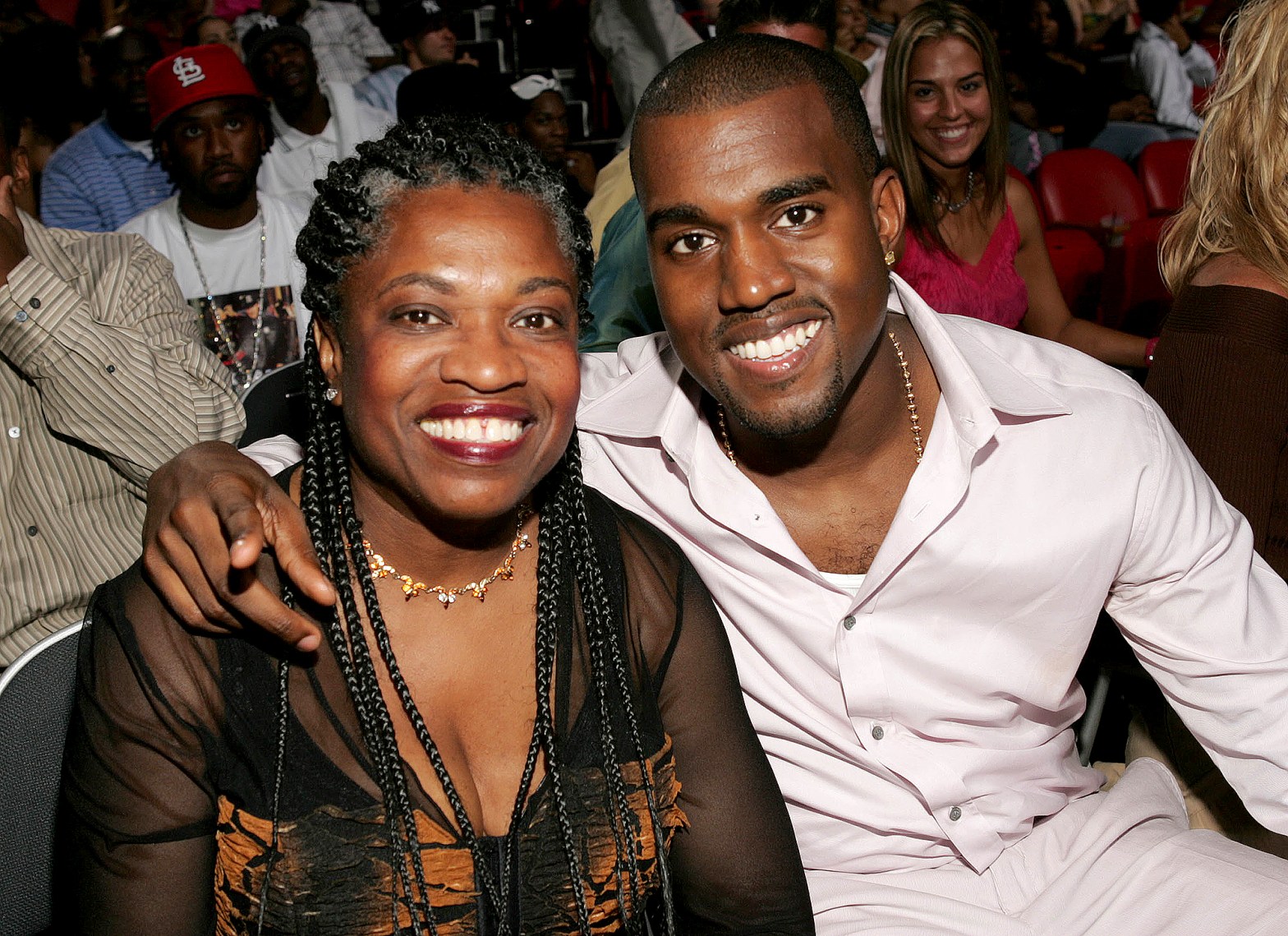
Kanye West is no Ludacris when it comes to running a charity. His foundation, Donda’s House, has been run into the ground. Even worse, it never even was a truly successful charity in the first place. Let me make it clear that this is being written by a massive Kanye West fan and not just a fan of his music. I think Kanye is an example of how to do many things right. He succeeds at many Running a charity, however, is not one of them.
The foundation, named after West’s late mother, was founded by West and Che “Rhymefest” Smith in the early 2000s before West had even released an album, with the intention of giving back to the youth of Chicago. The extent of Kanye’s involvement with the charity has never been clear.
The lack of Kanye’s involvement, however, became very clear last year when Rhymefest took to the internet to air some grievances. Rhymefest claims he made multiple attempts to get Kanye to fund the organization, only for Kanye to respond “F*ck the kids of Chicago”. Kanye’s wife, Kim Kardashian West, vehemently denied these claims and then took multiple stabs at Rhymefest for mismanaging the charity.
It’s hard to tell how the charity got to its current state or who is responsible for the decline. Tax filings from 2015, the most recent available, show revenue only just over $200,000 for the year; not a lot. Kim vowed that she and Kanye would re-assume control of the charity. Though she will have better luck starting from scratch, since this story made headlines, Donda’s House has changed its name to Art of Culture Inc.
Regardless of how the foundation got to this point, it’s disappointing that Kanye has not had more of an effort to support the charity, especially given that it is named for his late mother, whom he revered. Its also just terrible PR. If Kanye West is not interested in running the charity he started in his mothers name, that’s ok, but he should have distanced himself from the organization a long time ago. The saddest part is this story is probably the most media national coverage the charity in the past 10 years.
I do have the cut Kanye some slack because I have no idea what the internal state of Donda’s House has been over the course of all these years. He is an extremely busy man so its understandable that he never was involved in the day to day of the charity. And I think he is doing what he feels he can to give back to the world right now. Despite all of this, its still embarrassing that he let the charity get to such a sad state.
https://pitchfork.com/thepitch/the-state-of-disarray-at-dondas-house-kanye-and-rhymefests-nonprofit/
Ludacris: The model Hip-Hop philanthropist
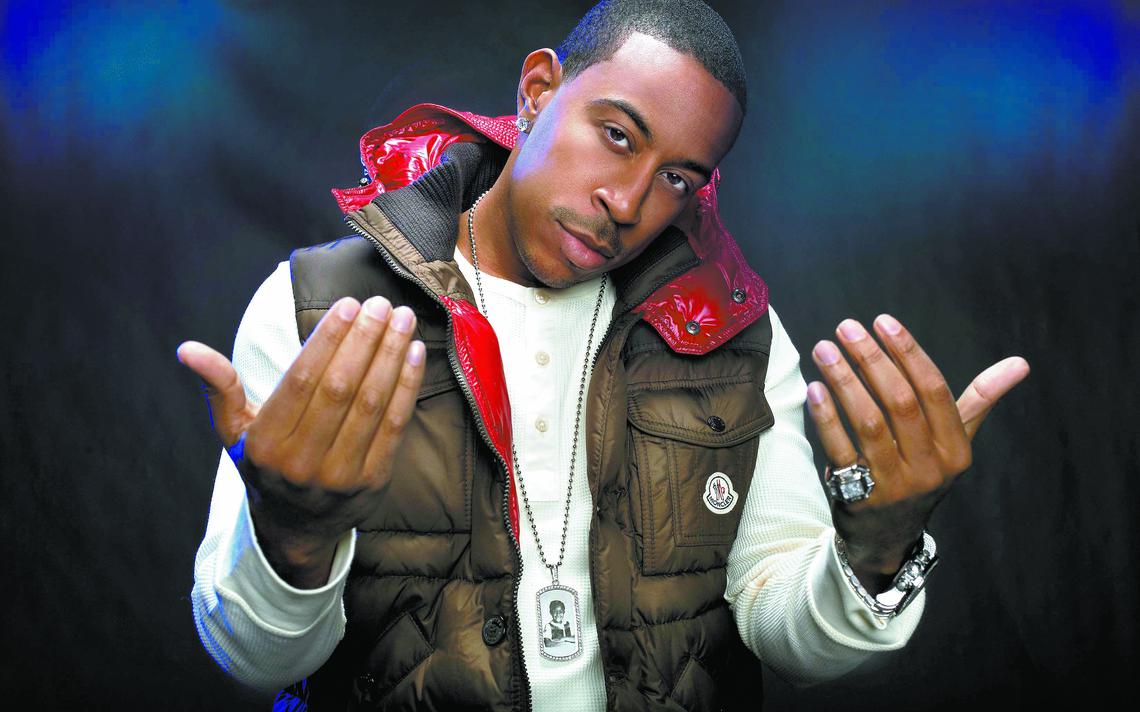
Christopher Bridges, better known by his stage name Ludacris, is an underrated example of a model hip-hop philanthropist. The Atlanta based rapper founded the Ludacris Foundation in 2001 to give back to underprivileged children and families. Unlike many other rappers who have set up charities with similar goals, Ludacris has managed to consistently maintain high standards at the organization to this date.
The foundation articulates their mission by saying, “We inspire urban youth to live their dreams and envision new possibilities for their lives through experiences we create through our programs and partnerships. We work with celebrities, artists and non-profit organizations in major cities across the country to showcase leadership and examples of success. Our relationships with inner-city schools, Boys & Girls Clubs and business, community, religious and government leaders help us provide resources, experiences, and tools to help youth live their dreams.” Throughout the year the organize a variety of programs, events, and services.
The foundation’s “Ludacares” initiative focuses its efforts on the Atlanta area. Its events throughout the year include celebrity basketball games, toy drives, family park events, etc.
Ludacris is unique amongst rappers in that he has successfully run a charity for almost twenty years, despite his own career being at something of a lull, even compared to other rappers of his generation. Not only is he showing that it is possible, but he is also demonstrating the extent to which he can use his position to create positive change in the world. Ludacris has definitely set a high bar for other rappers to follow. Though it is disappointing that more rappers at similar points in the career, even the ones in much greater positions of power, are not trying to follow in his footsteps.
Sure Jay-Z is the ultimate rapper-philanthropist. He is in a league of his own, however. As a billionaire its easy to direct funding for charitable causes and easy to get the manpower needed to run a solid charity. Ludacris is a multimillionaire, sure, but he is no Jay-Z. Despite this, he continues to do everything in his power to give back and be a positive role model. For this, he deserves more recognition. He is really hands-on in his community which I appreciate. Ludacris has always had a pretty clean image throughout his career, compared to other rappers. What’s interesting to me is the lack of attention his foundation draws. He does not make a point of talking about it unnecessarily or bragging. This tells me that he is a genuinely good person and is not just engaging in philanthropy for the sake of his image. If other rappers want better media coverage, than maybe they should focus first on being better people.
Go check out the Ludacris Foundation and consider making a donation to them!
ludacares.org
Drake Booed Off Stage at Camp Flog Gnaw

The biggest rapper on the planet, Drake, was booed off stage last weekend at Tyler the Creator’s annual music festival, Camp Flog Gnaw.
Fans at Camp Flog Gnaw were disappointed when the surprise headliner was revealed to be Drake, not Frank Ocean. People in the front rows reacted by booing loud enough for Drake, the Canadian singer, rapper, and sometimes actor, to stop his performance after only a few songs.
This draws attention to the fact that despite being arguably the biggest artist in the world right now, Drake has a very complicated relationship with hardcore hip-hop fans, the likes of which frequent Camp Flog Gnaw.
These fans behaved completely inappropriately. That being said, their disappointment was understandable. Nobody involved with the festival, at any point, gave fans a reason to believe the surprise headliner would be Frank Ocean. However, its an obvious guess as he and Tyler, the Creator work very closely together. Whereas Tyler and Drake have never collaborated musically. Furthermore, Drake caters to a very different breed of hip-hop fans than Tyler, the Creator fans. The two represent two extremes of the hip-hop musical spectrum. Drake is a power-house borderline-pop artist who leverages a large creative team to churn out radio-ready records. Tyler, on the other hand, releases experimental hip-hop written and produced entirely by himself. Consequently, Drake was more of a surprise than fans had bargained for.
I have to imagine this is a very difficult position for Tyler, the Creator to be in. Soon after the incident, he took to Twitter to express his extreme disappointment in his fans. He was understandably upset. He managed to get the biggest artist in the world to perform at his music festival and that still was not good enough for his fans. If I was Tyler and had put all that work into organizing an awesome event for my fans I would definitely be mad at their reaction too.
This story is interesting to me because it highlights the unique position Drake is in. He is the biggest musical artist in the world right now, however hoards of hardcore hip-hop fans still hat him. I think it is because, in my humble opinion, Drake has achieved his level of success by watering down hip-hop and pandering to the mainstream. What’s even more fascinating is how little this affected Drake. He is so far ahead of the rest of his competition that when he started getting booed he was able to simply shrug his shoulders and walk off the stage without thinking about it twice. The next day he took to Instagram to make fun of the fans who booed him. Not only does Drake not care, the mainstream public does not either. They will still listen to his music. Because they have not been exposed to better rappers to compare him to.

